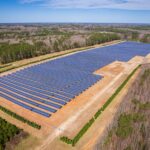
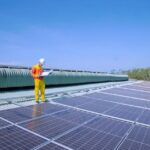
Expert Take: The recent report from the Federal Reserve Bank of Dallas underscores an urgent truth for homeowners in Texas: the reliance on traditional power grids is becoming increasingly unreliable. With ERCOT already issuing grid warnings, it’s clear that achieving true Energy Independence is not just desirable but essential. The deployment of solar energy systems paired with a home battery can significantly reduce your vulnerability to fluctuating energy prices and unstable supply—especially in the face of rising electric bills.
Quick Summary: The Federal Reserve Bank of Dallas highlights that while solar and home battery systems are crucial for maintaining electricity in Texas, more robust solutions are necessary for energy resilience. Homeowners are urged to consider renewable energy options to combat instability.
The Facts:
– Texas grid operators have issued multiple warnings about potential shortages this summer.
– The growing demand for electricity is straining ERCOT’s capacity, leading to more outages.
– Solar energy and home battery systems have proven vital in keeping homes powered during peak demands.
– Homeowners are increasingly facing high electric bills due to variable energy prices.
– The financial burden of rising utility rates makes pursuing Energy Independence through solar increasingly attractive.
Impacts of Grid Instability in the Sun Belt
The Federal Reserve Bank of Dallas’s recent findings draw attention to the critically unstable state of the electricity grid in Texas, which directly affects homeowners across the state. With extreme weather and surging demand, the Electric Reliability Council of Texas (ERCOT) has been unable to guarantee reliable energy supply. This has been further compounded by the increased rates from electricity providers like Oncor, which are feeling the stress from both infrastructure inadequacies and a growing electric bill burden on consumers.
California’s Ongoing Utility Challenges
In California, the situation mirrors some of what Texas faces, albeit with its unique hurdles. Pacific Gas and Electric (PG&E) has seen an alarming trend of rate hikes, impacting families in regions that have already experienced devastating wildfires and public safety power shutoffs. Homeowners are growing weary of consistently rising electric bills, prompting more to explore solar energy solutions combined with efficient home batteries. The instability prompted by these conditions makes energy independence appealing as it takes the control away from the utilities that have failed to deliver consistent and reliable service.
Arizona’s Solution Within Reach
Arizona is witnessing robust growth in solar adoption, driven by both state incentives and the need for reliable energy sources. While Salt River Project (SRP) and Arizona Public Service (APS) can provide some grid stability, severe weather events challenge this reliability. The integration of solar energy and home battery systems into residential structures can alleviate some of these fears, allowing homeowners to harness energy when the sun shines and store it for later use during peaks. This strategy promotes an independence that shield homeowners from the shocks of fluctuating electricity demands and costs.
Aggregated Perspectives on Energy Independence
Each region within the Sun Belt offers distinct challenges, yet the theme remains consistent: achieving energy independence is becoming less an option and more a necessity. The commonality across California, Texas, and Arizona showcases the growing need for innovative solutions involving solar energy and home battery technology. As electric bills rise and the fabric of energy reliability frays, I advocate for homeowners to consider solar solutions personalized for their residential situations. Those who invest in this technology are not just enhancing their home’s autonomy but are also positioning themselves ahead of the market trends shaping the future of energy in their states.
Common Questions
What specific measures can Texas homeowners take to prepare for potential grid failures?
Homeowners should consider installing solar panels paired with a home battery system to store energy, especially during peak demand times when outages are most likely. Engaging with local energy consultants can also provide tailored solutions that fit individual household needs.
How do rising electric bills correlate with the increased adoption of solar and home battery systems in Florida?
As utility rates increase, Florida homeowners face higher monthly electric bills, making solar energy systems and home batteries more affordable in the long run. Many FL residents are opting for solar to mitigate future costs, especially with the state’s pro-solar policies that incentivize adoption.
Are there risks involved for homeowners switching to solar energy in California?
While the transition to solar energy in California can lead to significant savings, resistance from utilities like PG&E can create regulatory confusion. However, with the right planning and consultation with reputable installers, these risks can be managed effectively.